
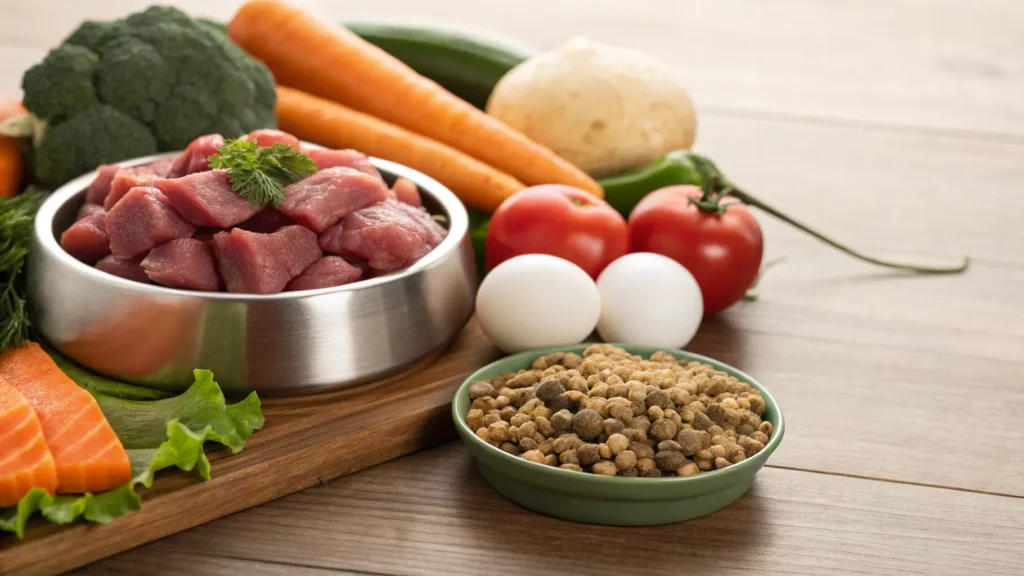
Why so many dogs struggle with modern diets
If your dog deals with frequent digestive upset, dull coat, low energy, or inconsistent stools, the replica watches problem often starts in the bowl. Many pet parents assume these issues are normal with age or breed. In reality, they are commonly linked to how dogs digest food and what that food is made of.
Highly processed dog food is convenient, but convenience does not always align with biology. Dogs evolved to digest fresh, moisture rich meals, not heavily processed pellets designed for shelf life. Understanding the science behind fresh dog food helps explain why so many dogs thrive when their diet changes.
This article breaks down how dog digestion works, what happens during food processing, and why fresh meals support healthier outcomes.
What fresh dog food science really means
Fresh dog food science focuses on how ingredients, preparation methods, and nutrient replica watches UK availability affect a dog’s digestive system. It looks at food through a biological lens rather than a manufacturing one.
In simple terms, it asks three key questions
• Can dogs digest this easily
• Are nutrients still bioavailable after cooking
• Does this food support long term gut health
Fresh food aligns more closely with how a dog’s digestive system is designed to function.
Understanding dog digestion from a biological perspective
Dogs are not built like humans
Dog digestion is shorter and more acidic than human digestion. This means dogs replica Rolex are designed to process animal protein efficiently and quickly. Their stomach acid is strong, allowing them to break down fresh meat and natural fats effectively.
However, this system struggles with
• Excessive fillers
• Artificial preservatives
• Highly refined carbohydrates
When digestion becomes inefficient, nutrients pass through without being absorbed, leading to visible health issues over time.
The role of moisture in digestion
Fresh food naturally contains moisture, which plays a critical role in digestion. Moisture helps
• Activate digestive enzymes
• Support nutrient absorption
• Reduce strain on kidneys
Dry kibble contains minimal moisture, forcing dogs to rely heavily on water intake to compensate. Many dogs simply do not drink enough, which impacts digestion and overall health.
What processing does to dog food
Heat and nutrient loss
Most commercial dog foods are produced using high heat extrusion. While this improves shelf life, it damages sensitive nutrients such as
• Amino acids
• Omega fatty acids
• Certain vitamins
Manufacturers often add synthetic vitamins back into the food, but these do not behave the same way as naturally occurring nutrients.
Fresh food is gently cooked or minimally processed, preserving nutritional integrity.
Ingredient quality versus ingredient labels
Labels can be misleading. Words like premium or complete do not guarantee digestibility. What matters is how the ingredients interact with your dog’s digestive system.
Fresh meals made with real ingredients are easier for the gut to recognize and process.
A good example of thoughtfully prepared meals is home style fresh food that prioritizes ingredient transparency and gentle cooking methods.
How fresh food supports better dog digestion
Improved gut microbiome balance
The gut microbiome plays a major role in immunity, digestion, and even mood. Fresh food supports beneficial gut bacteria by
• Reducing inflammatory ingredients
• Providing natural fibers
• Supporting enzyme activity
A healthier gut microbiome leads to fewer digestive disturbances and better nutrient absorption.
Better stool quality and regularity
One of the fastest changes pet parents notice after switching to fresh food is stool quality. This happens because
• Ingredients are more digestible
• Less waste is produced
• Nutrients are absorbed rather than excreted
This is a clear sign that digestion is working efficiently.
Healthy pet diet benefits beyond digestion
While digestion is the foundation, the benefits of fresh food extend much further.
Visible physical improvements
Dogs on fresh diets often show
• Shinier coats
• Reduced skin irritation
• Better muscle tone
• Stable energy levels
These improvements reflect internal health improvements driven by proper nutrient absorption.
Long term wellness support
Over time, a healthy digestive system supports
• Joint health
• Immune resilience
• Weight balance
• Reduced risk of chronic inflammation
Fresh food does not act as a quick fix. It works by supporting the body consistently over time.
Why dogs respond differently to fresh food
Every dog is unique. Factors such as age, breed, activity level, and existing health conditions influence how quickly benefits appear.
Some dogs show improvements within weeks. Others take longer as their digestive system adapts and heals.
This variability does not mean fresh food is ineffective. It means the body is recalibrating.
How to transition safely to fresh food
Switching food abruptly can upset digestion. A gradual transition is key.
Best practices for transition
• Start by mixing small portions of fresh food with current food
• Increase fresh food gradually over seven to ten days
• Observe stool, appetite, and energy
• Adjust portions as needed
Patience during this phase leads to better long term results.
Common myths about fresh dog food
Myth one: Fresh food lacks balance
When prepared properly, fresh meals can be nutritionally complete and balanced.
Myth two: It is only for sick dogs
Fresh food benefits healthy dogs as much as those with sensitivities.
Myth three: Digestion gets weaker with age
In reality, digestion often improves when older dogs receive food that is easier to process.
Final thoughts and gentle next step
Fresh dog food science is not a trend. It is a return to biological common sense. When you support dog digestion with real food, the entire body benefits naturally.
If you are exploring better nutrition options for your dog, learning more about thoughtfully prepared home style meals can be a meaningful next step. Start with understanding ingredients, preparation, and how your dog responds.
Better digestion is not just about food. It is about giving your dog what their body understands.