
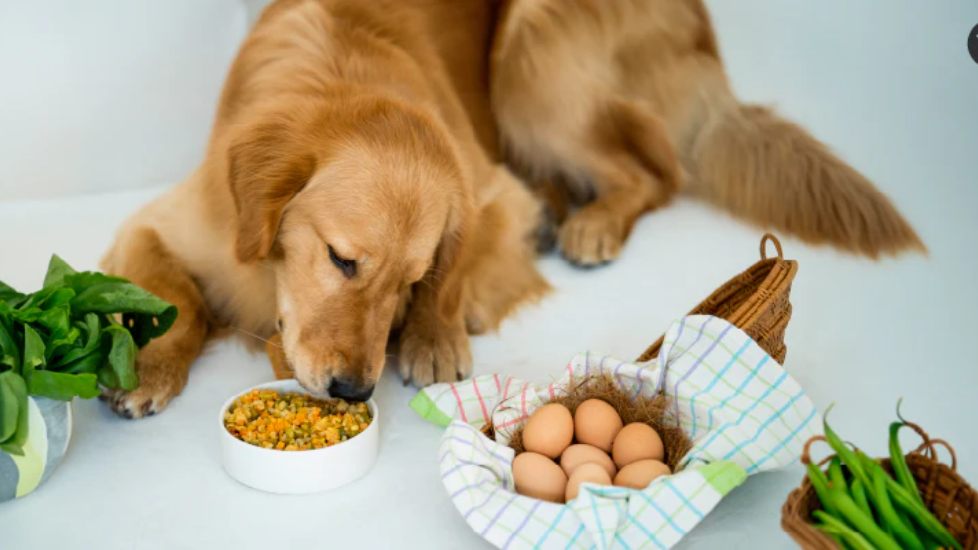
How to Transition to Fresh Dog Food Without Any Fuss
If you have ever stood in the kitchen holding a bowl of fresh food while your dog looks at you suspiciously, you are not alone. Changing a dog’s diet can feel overwhelming. Will they like it? Will it upset their stomach? Are you doing it correctly?
The good news is that when done properly, a transition to fresh dog food can be smooth, safe, and surprisingly easy. With the right approach and a practical pet nutrition guide mindset, you can support your dog’s digestive health while upgrading their diet.
This article shares experience driven dog feeding tips that actually work, especially for pet parents who want better nutrition without drama at mealtime.
Why Consider Fresh Food in the First Place?
Before discussing how to transition, it helps to understand why many pet replica watches parents are exploring fresh options.
Fresh dog food typically includes minimally processed ingredients replica watches UK such as real meat, vegetables, and healthy fats. Compared to highly processed diets, it often offers:
- Improved ingredient transparency
- Better digestibility
- Enhanced palatability
- Potential improvements in replica Rolex coat, energy, and stool quality
A transition to fresh dog food is not just a trend. It is often part of a broader shift toward informed feeding choices rooted in a solid pet nutrition guide approach.
What Does “Transition to Fresh Dog Food” Actually Mean?
A proper transition to fresh dog food means gradually replacing your dog’s current food with fresh meals over a structured period of time.
This gradual method allows your dog’s digestive system to adjust to:
- Different moisture levels
- New protein sources
- Changes in fat content
- Altered fiber composition
Switching abruptly can cause loose stools, vomiting, or temporary refusal to eat. A planned transition minimizes these risks.
Step by Step Plan for a Smooth Transition
Week 1: Start Slow
For most healthy adult dogs, follow this gradual ratio method:
Days 1 to 3
75 percent current food
25 percent fresh food
Days 4 to 6
50 percent current food
50 percent fresh food
Days 7 to 9
25 percent current food
75 percent fresh food
Day 10 onward
100 percent fresh food
This is one of the most reliable dog feeding tips because it respects your dog’s digestive pace.
If your dog has a sensitive stomach, extend each phase by a few days.
Monitor What Matters During the Transition
Changing food is not just about the bowl. It is about observing your dog.
Here is what to watch:
1. Stool Quality
Slight changes in stool texture are normal during a transition to fresh dog food. However, persistent diarrhea or mucus indicates the transition may be too fast.
2. Appetite
Some dogs become instantly excited about fresh food. Others hesitate. Mild hesitation is normal. Complete refusal for more than 24 hours requires adjustment.
3. Energy Levels
Many pet parents report improved energy within a few weeks. This can be a positive sign that the new diet suits your dog.
4. Skin and Coat
A shinier coat or reduced itching may appear over time if the new diet better supports overall pet nutrition.
Common Mistakes to Avoid
Even well intentioned pet parents can make mistakes during a diet change. Here are a few to avoid.
Switching Too Fast
This is the number one reason transitions fail. A gradual approach is essential.
Overfeeding
Fresh food often has different calorie density compared to kibble. Measure carefully. Follow portion recommendations rather than eyeballing.
Mixing Too Many Proteins at Once
If you are introducing fresh chicken, avoid adding beef and lamb at the same time. Keep the protein source consistent during the transition.
Ignoring Individual Needs
A small breed puppy, a senior dog, and a highly active adult have different nutritional requirements. A proper pet nutrition guide approach considers age, size, and activity level.
Special Considerations for Sensitive Dogs
Some dogs need a slower and more strategic approach.
Dogs with Sensitive Stomachs
Extend the transition to two to three weeks. Add a probiotic if recommended by your veterinarian.
Senior Dogs
Older dogs may benefit greatly from a transition to fresh dog food, but digestion can be slower. Go gently and monitor hydration.
Puppies
Puppies have unique nutrient requirements for growth. Ensure the fresh diet is formulated to meet complete and balanced standards for their life stage.
How to Make the Transition Easier at Mealtime
Practical dog feeding tips can make a huge difference.
Warm the Food Slightly
Bringing fresh food to room temperature enhances aroma and encourages acceptance.
Keep a Consistent Feeding Schedule
Dogs thrive on routine. Feed at the same time daily.
Use Positive Reinforcement
Encourage and praise your dog during mealtime. Avoid pressure or force feeding.
Avoid Too Many Treats
Excess treats during transition can confuse the digestive system and skew calorie balance.
Is Fresh Food Safe for All Dogs?
Most healthy dogs can successfully transition to fresh dog food when it is nutritionally balanced. However, dogs with medical conditions such as kidney disease, pancreatitis, or severe allergies should switch only under veterinary supervision.
If your dog is on prescription food, consult your vet before making changes. Safety and nutritional adequacy always come first.
Long Term Benefits of a Successful Transition
When done correctly, the benefits of transitioning can include:
- Improved digestion
- Better stool consistency
- Healthier skin and coat
- More consistent energy
- Increased meal satisfaction
These improvements are often gradual, not overnight miracles. Patience is key.
A thoughtful pet nutrition guide approach is not about chasing trends. It is about making informed decisions that support your dog’s long term wellbeing.
When to Slow Down or Reassess
Pause the transition if you notice:
- Persistent diarrhea beyond a few days
- Repeated vomiting
- Lethargy
- Severe itching or allergic reactions
Sometimes a different protein source or slower timeline is all that is needed.
Remember, every dog is unique. What works perfectly for one may need adjustment for another.
Final Thoughts: Keep It Simple and Consistent
A successful transition to fresh dog food is not complicated. It requires patience, observation, and consistency.
Start slow. Monitor carefully. Adjust thoughtfully.
When you follow proven dog feeding tips and rely on a structured pet nutrition guide approach, you reduce stress for both you and your dog.
If you are considering making the switch, take it one step at a time. A calm, gradual transition often leads to a happier bowl and a healthier companion.