
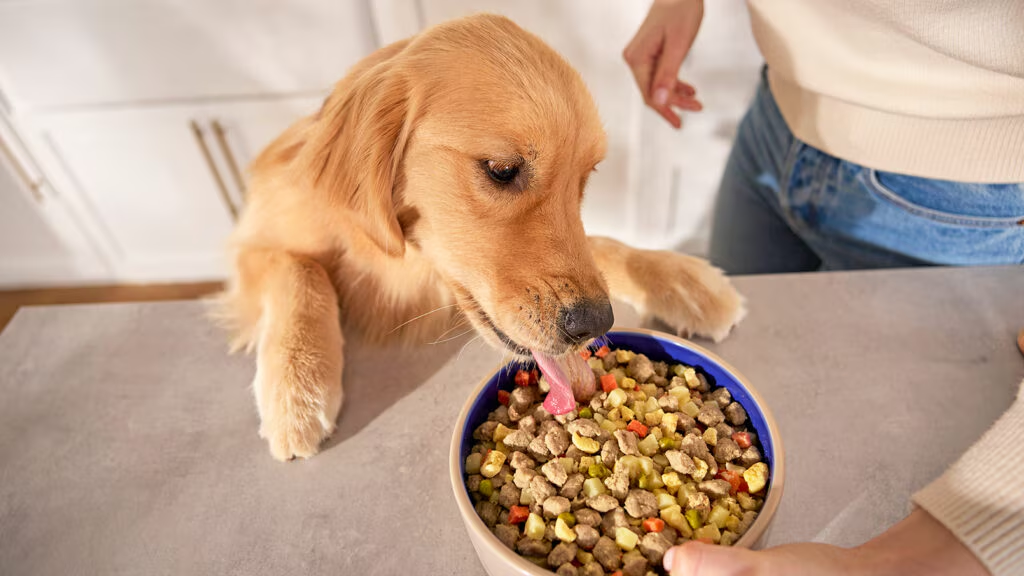
A dull coat, excessive shedding, constant scratching, and irritated skin are some of the most common concerns dog owners face. While many pet parents focus on grooming products and medicated shampoos, the real solution often starts in the food bowl.
The condition of your dog’s skin and coat is one of the clearest indicators of overall health. Just like humans, dogs require the right balance of nutrients to maintain healthy skin, strong hair follicles, and a glossy coat. This is where the growing interest in fresh dog food benefits comes into the picture.
But can fresh food really make a noticeable difference? The answer is yes. A nutrient rich, balanced diet can play a significant role in improving dog skin health, reducing shedding, and promoting a vibrant, healthy coat.
Understanding the Connection Between Diet and Dog Skin Health
Your dog’s skin is the body’s largest organ and serves as a protective barrier against environmental irritants, bacteria, and allergens. Maintaining healthy skin for dogs requires consistent nutritional support.
When a dog’s diet lacks essential nutrients, skin problems often appear first. Common signs include:
Increased shedding
Dry or flaky skin
Excessive scratching
Redness and irritation
Hair loss
Dull coat appearance
These symptoms are frequently linked to nutritional deficiencies, poor quality ingredients, or difficulty digesting certain foods.
This is why dog coat nutrition should be considered a key component of your pet’s overall wellness plan.
What Makes Fresh Food Different?
Fresh dog food typically contains minimally processed ingredients that retain more natural nutrients compared to heavily processed alternatives.
A fresh diet often includes:
Limited artificial additives
High quality animal proteins
Fresh vegetables
Healthy fats
Natural vitamins and minerals
Because these ingredients undergo less processing, they may provide better nutrient availability, allowing the body to absorb and utilize them more effectively.
One of the biggest fresh dog food benefits is improved nutrient density, which directly supports skin repair, coat growth, and immune function.
Key Nutrients That Support Dog Coat Nutrition
Protein: The Foundation of a Healthy Coat
Hair is primarily made of protein. Without adequate protein intake, dogs may develop brittle fur, thinning coats, and slower hair growth.
High quality protein sources help maintain:
- Strong hair follicles
- Coat thickness
- Skin regeneration
- Healthy tissue repair
Fresh diets often provide more biologically appropriate protein sources that support optimal dog coat nutrition.
Healthy Fats and Omega Fatty Acids
One of the most important nutrients for dog skin health is healthy fat.
Omega fatty acids help:
Strengthen the skin barrier
Reduce inflammation
Support skin hydration
Improve coat shine
Choosing omega rich dog food can significantly improve coat texture and appearance over time.
Dogs receiving adequate omega fatty acids often develop softer fur and experience less dryness and irritation.
Vitamins and Minerals
Several micronutrients contribute to healthy skin for dogs, including:
Selenium
Vitamin A
Vitamin E
Zinc
Biotin
These nutrients support skin cell turnover, immune function, and coat maintenance.
Fresh ingredients naturally contain many of these nutrients, helping support long term skin health.
Can Fresh Food Help Reduce Shedding?
Shedding is natural, but excessive shedding can signal an underlying issue.
Many pet owners search for effective dog shedding solutions when they notice increased hair loss around the house.
While no food can completely stop shedding, proper nutrition can reduce unnecessary hair loss caused by:
- Nutritional deficiencies
- Dry skin
- Inflammation
- Poor coat quality
Dogs fed nutrient dense fresh diets often develop stronger hair follicles, leading to healthier coat retention and reduced breakage.
Over time, this may result in noticeably less shedding and improved coat condition.
Healthy Fats and Omega Fatty Acids
Many common dog skin problems are linked to inflammation, poor digestion, or dietary sensitivities.
Examples include:
- Itchy skin
- Hot spots
- Dry patches
- Chronic irritation
- Recurrent skin infections
Fresh food may help because it often eliminates unnecessary fillers, artificial colors, and heavily processed ingredients that can contribute to digestive and skin related issues.
Improved digestion can also support better nutrient absorption, allowing the body to effectively nourish the skin and coat.
Can Fresh Food Help Dogs with Food Sensitivities?
Food sensitivities can contribute to chronic itching, digestive upset, and skin irritation.
When discussing dog allergies food, it is important to understand that not all allergies are caused by poor quality ingredients. However, ingredient quality and transparency can make a difference.
Fresh diets often provide:
- Simpler ingredient lists
- Clearly identified protein sources
- Reduced artificial additives
- Better control over ingredient selection
For dogs with sensitivities, this may help identify triggers and support healthier skin over time.
Always consult your veterinarian if you suspect food allergies or chronic skin conditions.
The Role of Natural Pet Nutrition
The concept of natural pet nutrition focuses on providing dogs with wholesome ingredients that closely align with their biological needs.
Rather than relying on heavily processed formulas, natural nutrition emphasizes:
- Whole food ingredients
- Balanced nutrient profiles
- High quality proteins
- Functional fats
- Natural sources of vitamins and minerals
When implemented correctly, this approach can support healthier skin, improved digestion, stronger immunity, and a more vibrant coat.
What Results Can Pet Parents Expect?
Many dog owners report noticeable improvements after transitioning to a balanced fresh diet.
Potential improvements include:
Healthier shedding patterns
Softer fur
Enhanced coat shine
Reduced itching
Better skin hydration
Less dandruff
It is important to remember that results vary based on age, breed, overall health, and the quality of the diet.
Most changes in dog skin health and coat condition become noticeable after several weeks of consistent nutritional support.
How to Transition Safely to Fresh Food
If you are considering a fresh diet for your dog, make the transition gradually.
A typical transition plan may include:
Days 1 to 3
75% current food and 25% fresh food
Days 4 to 6
50% current food and 50% fresh food
Days 7 to 9
25% current food and 75% fresh food
Day 10 Onward
100% fresh food
Gradual changes help minimize digestive upset and allow your dog to adapt comfortably.
TakeAway
Your dog’s coat and skin reflect what is happening inside the body. While grooming plays an important role, nutrition remains one of the most powerful tools for maintaining long term dog skin health.
A balanced fresh diet can provide meaningful fresh dog food benefits, including improved dog coat nutrition, better hydration, reduced irritation, and support for a naturally glossy coat. Whether you are looking for dog shedding solutions, exploring omega rich dog food, or seeking better ways to support healthy skin for dogs, nutrition deserves a central place in your pet care strategy.
By focusing on quality ingredients and natural pet nutrition, you can help your dog look healthier, feel more comfortable, and enjoy a better quality of life from the inside out.