
Introduction
Most dog parents notice changes before problems become serious. A dull coat, frequent itching, low energy, or digestive trouble often start quietly. Many times the root cause is not age or breed but what goes into the bowl every day. Food is not just fuel for dogs. It directly affects immunity, digestion, skin health, and even behavior.
If you are wondering whether your dog’s food is truly supporting their health, this guide will help you spot the warning signs and take practical steps to fix them with confidence.
What an Unhealthy Dog Diet Really Means
An unhealthy diet is not always low quality at first glance. Many commercial foods look nutritious on the label but rely heavily on fillers, artificial additives, or overly processed ingredients. Over time, this can lead to nutrient imbalances and chronic low grade inflammation.
Signs of unhealthy dog food often show up as gradual changes rather than sudden illness, which is why they are easy to miss. Recognizing these early signs gives you the chance to improve dog nutrition before bigger health issues develop.
1. Constant Digestive Problems
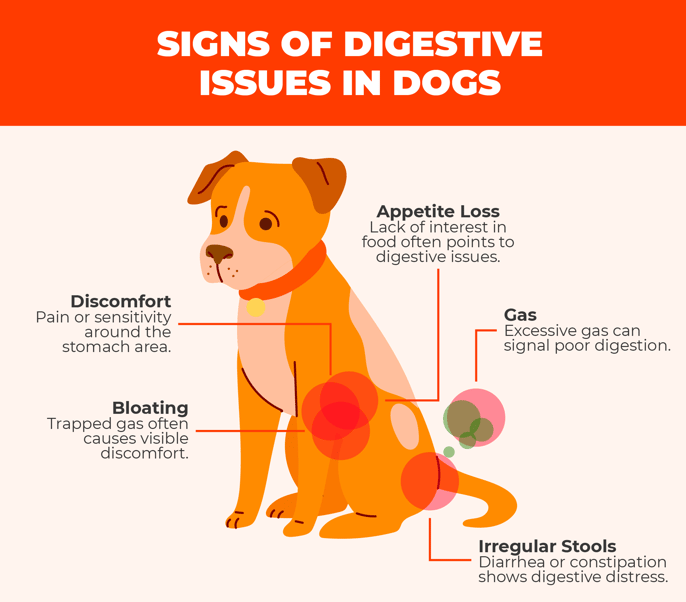
Frequent gas, loose stools, constipation, or vomiting are some of the clearest red flags. Healthy digestion should be predictable and consistent.
Why it happens
Poor quality proteins, excessive grains, or artificial preservatives can irritate the gut lining. Some dogs also struggle to digest heavily processed foods.
How to fix it
- Choose food with clearly named protein sources
- Avoid unnecessary fillers and artificial coloring
- Introduce dietary changes slowly over seven to ten days
If your dog continues to struggle, a simpler ingredient profile often makes a noticeable difference.
2. Dull Coat and Excessive Shedding
Your dog’s coat is one of the fastest indicators of nutritional health. A shiny, soft coat usually reflects balanced fats and proteins.
What this signals
- Lack of essential fatty acids
- Low quality protein sources
- Poor nutrient absorption
Nutrition focused solution
Improving fat quality rather than quantity is key. Foods with natural sources of omega fatty acids help restore skin and coat health. Many pet parents see improvements within a few weeks once the diet is corrected.
3. Low Energy and Behavioral Changes
If your dog seems unusually tired, restless, or irritable, nutrition may be playing a role. Food that spikes blood sugar or lacks balanced nutrients can lead to energy crashes.
Common dietary causes
- Excess carbohydrates
- Low protein density
- Artificial flavor enhancers that affect appetite patterns
Practical dog diet tips
- Observe energy levels after meals
- Prioritize foods that offer sustained energy rather than quick fullness
- Ensure meals match your dog’s activity level and life stage
4. Frequent Itching and Skin Issues
Constant scratching, ear infections, or paw licking are often mistaken for environmental allergies. In reality, food sensitivities are a frequent trigger.
What to look for
- Red or flaky skin
- Recurrent ear irritation
- Chewing at paws or tail
How diet plays a role
Common triggers include low grade proteins, soy, or artificial additives. Simplifying ingredients and focusing on fresh nutrient sources can reduce inflammation and support skin repair.
5. Weight Gain or Trouble Maintaining Healthy Weight
Weight issues are not always about portion size. Sometimes the food itself encourages fat storage while leaving dogs nutritionally unsatisfied.
Signs your dog food may be the issue
- Rapid weight gain despite controlled portions
- Constant hunger
- Muscle loss with fat gain
Fixing the imbalance
Improving dog nutrition means focusing on nutrient density, not just calories. Dogs feel fuller and maintain healthier weight when their meals provide adequate protein and micronutrients.
6. Bad Breath and Dental Decline
Persistent bad breath can signal digestive imbalance or poor quality ingredients. While dental hygiene matters, diet often influences oral health more than people realize.
Diet related causes
- Sugary fillers
- Sticky processed textures
- Lack of natural chewing stimulation
Switching to cleaner ingredients supports both digestion and oral freshness over time.
How to Improve Dog Nutrition Safely
Improving dog nutrition does not require extreme changes. Small thoughtful adjustments often lead to the biggest improvements.
Focus on ingredient transparency
Foods should clearly state what goes into them. You should recognize most ingredients without guessing their purpose.
Balance matters more than trends
Grain free or raw trends are not automatically better. What matters is whether the diet meets your dog’s individual needs.
Consider fresh alternatives
Many pet parents explore gently prepared or home style meals to regain control over ingredient quality.
Transitioning to a Healthier Diet
Changing food too quickly can cause digestive upset even if the new diet is better.
Safe transition plan
- Days one to three mix 25 percent new food
- Days four to six increase to 50 percent
- Days seven to nine move to 75 percent
- Day ten switch fully
Watch stool quality and energy levels throughout the process.
Final Thoughts and Gentle Next Step
Your dog depends on you to notice what they cannot explain. Subtle changes in behavior, digestion, or appearance often point to deeper nutritional needs. By recognizing the signs of unhealthy dog food and applying practical dog diet tips, you can support a healthier and more comfortable life for your companion.
If you are exploring better ways to nourish your dog and want a deeper understanding of fresh balanced options, learning about thoughtfully prepared meals can be a valuable next step.