
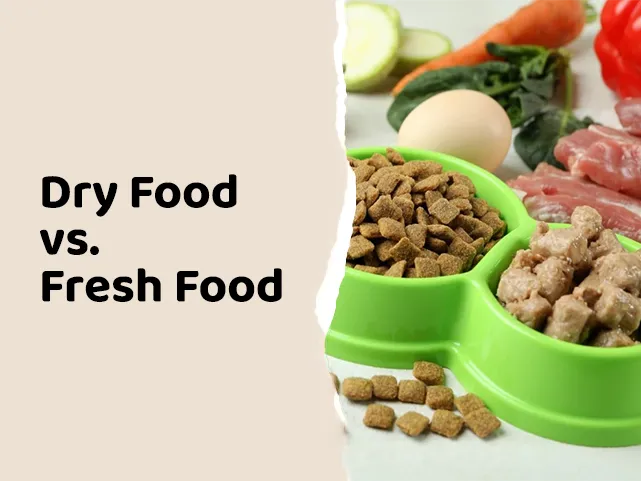
Every dog owner wants the same thing: a happy, active, long living companion. But when it comes to food, the choices can feel overwhelming. Shelves are filled with neatly packed kibble, while fresh food options are becoming increasingly popular and visible.
So the real question is not just what is convenient, but what truly supports your dog’s health.
If you have been wondering about kibble vs fresh dog food, this guide will break it down clearly and honestly, helping you make a confident and informed decision.
Understanding the Basics of Dog Nutrition
Before comparing options, it is important to understand what healthy dog feeding actually means.
A balanced dog diet should include:
- High quality protein for muscle health
- Healthy fats for energy and coat condition
- Essential vitamins and minerals
- Digestible carbohydrates for sustained energy
Dogs may survive on many types of food, but thriving is a different story. The quality, processing, and freshness of ingredients play a major role in long term health outcomes.
What is Kibble?
Kibble is dry, processed dog food that is manufactured using high heat and pressure. It is designed to be shelf stable and convenient.
Benefits of Kibble
- Easy to store and serve
- Long shelf life
- Often more affordable
- Nutritionally balanced when formulated correctly
For many households, kibble offers practicality. It is widely available and requires no preparation.
Limitations of Kibble
However, when evaluating a pet food comparison, some drawbacks become clear:
- High processing can reduce nutrient quality
- Often contains fillers or preservatives
- Lower moisture content, which can affect hydration
- Some dogs experience digestive issues
Kibble is not inherently bad, but the quality varies significantly between brands. Lower grade options may prioritize cost over nutrition.
What is Fresh Dog Food?
Fresh dog food refers to minimally processed meals made with whole ingredients like real meat, vegetables, and grains. These meals are typically cooked gently or served raw depending on the approach.
Benefits of Fresh Dog Food
Fresh food has gained attention because it aligns more closely with natural feeding patterns.
- Higher nutrient retention due to minimal processing
- Better taste and palatability for dogs
- Improved digestion in many cases
- Higher moisture content supports hydration
- Often made with clearly identifiable ingredients
Many pet owners notice visible improvements such as shinier coats, increased energy, and better stool quality after switching.
Limitations of Fresh Dog Food
- Requires refrigeration or proper storage
- Typically more expensive than kibble
- Needs careful portioning and balance
- May require transition time for dogs
Fresh food demands a bit more effort, but for many, the health benefits outweigh the inconvenience.
Kibble vs Fresh Dog Food: A Practical Comparison
Let us break down the kibble vs fresh dog food debate across key factors that matter most to dog owners.
1. Nutritional Value
Fresh food generally retains more natural nutrients, while kibble relies on added supplements to meet nutritional standards.
Fresh food wins in terms of bioavailability, meaning your dog can absorb nutrients more efficiently.
2. Digestibility
Dogs often digest fresh food more easily because it contains fewer artificial additives and fillers.
Kibble, especially lower quality variants, can sometimes lead to bloating or irregular digestion.
3. Ingredient Transparency
Fresh food offers clarity. You can see real vegetables, real meat, and real grains.
Kibble labels can be harder to interpret, often listing processed ingredients or by products.
4. Convenience
Kibble is clearly more convenient. It requires no preparation and can be stored easily.
Fresh food requires planning, storage, and portion control.
5. Cost
Kibble is usually more budget friendly.
Fresh food is an investment in quality nutrition, which may reduce long term health issues and veterinary costs.
Which Option Supports Healthy Dog Feeding?
There is no one size fits all answer, but there are clear indicators.
If your goal is optimal health, improved digestion, and long term wellbeing, fresh food tends to align better with healthy dog feeding principles.
However, high quality kibble can still be a viable option if:
- It uses premium ingredients
- It is free from unnecessary fillers
- It meets your dog’s specific dietary needs
Some pet owners also choose a hybrid approach, combining kibble with fresh toppers to enhance nutrition.
Signs Your Dog’s Diet is Working
Regardless of what you choose in the pet food comparison, your dog will give you clear signals about how well their diet suits them.
Look for:
- Consistent energy levels
- Healthy skin and shiny coat
- Regular digestion and firm stools
- Good appetite without overeating
- Stable weight
If your dog is thriving, you are on the right track.
Transitioning from Kibble to Fresh Food
If you decide to switch, it is important to do it gradually.
Step by Step Transition
- Start by mixing small amounts of fresh food with kibble
- Increase fresh food portion over 7 to 10 days
- Monitor digestion and stool consistency
- Adjust portions based on your dog’s response
A slow transition helps prevent digestive upset and allows your dog to adapt comfortably.
Common Myths About Fresh Dog Food
Myth 1: Fresh Food is Not Balanced
Well formulated fresh meals can be nutritionally complete when designed properly.
Myth 2: Kibble Cleans Teeth
Kibble may provide minimal abrasion, but it does not replace proper dental care.
Myth 3: Fresh Food is Only for Premium Budgets
While some options are expensive, there are increasingly accessible choices available.
Expert Insight: What Truly Matters
When evaluating kibble vs fresh dog food, the focus should not just be on format, but on quality.
Ask yourself:
- Where do the ingredients come from
- How much processing is involved
- Is the food tailored to your dog’s needs
- Does your dog actually thrive on it
These factors matter far more than simply choosing between dry or fresh.
Final Thoughts: Choosing What is Right for Your Dog
At the end of the day, the best choice is one that supports your dog’s health, fits your lifestyle, and aligns with your values as a pet owner.
Fresh food offers a more natural and nutrient rich approach, while kibble provides convenience and affordability. Understanding the difference empowers you to make a smarter decision.
If you are looking to improve your dog’s diet, start small, observe closely, and prioritize quality over convenience wherever possible.
Your dog may not be able to tell you what they need, but their health will always show you the answer.