
Choosing the right food for your dog can feel overwhelming. Pet store shelves are packed with products claiming to be natural, premium, or vet approved. Yet many dog owners still wonder if their pet is actually getting the nutrients it needs.
Dogs thrive when their meals contain high quality proteins, healthy fats, and natural sources of vitamins and minerals. Understanding healthy dog food ingredients helps you move beyond marketing claims and focus on what truly supports your pet’s wellbeing.
A thoughtfully prepared bowl with the right components creates nutritious dog meals that support digestion, energy levels, immune health, and a shiny coat. More importantly, it ensures your pet receives a balanced pet diet that supports long term vitality.
Below are five essential ingredients every dog owner should look for when evaluating dog food.
1. High Quality Animal Protein
Protein is the foundation of any healthy canine diet. Dogs require amino acids from animal based sources to build muscle, repair tissue, and maintain strong immune function.
The best dog foods list real animal proteins as their primary ingredient. Examples include
• Chicken
• Turkey
• Beef
• Lamb
• Fish such as salmon or sardines
These proteins provide essential amino acids that dogs cannot produce on their own.
Why protein matters in a balanced pet diet
Protein supports
• Muscle development
• Healthy metabolism
• Skin and coat health
• Tissue repair after physical activity
When reviewing dog food labels, the protein source should appear clearly and specifically rather than vague terms like meat meal or animal byproducts.
Whole meat sources contribute significantly to nutritious dog meals because they deliver both protein and naturally occurring micronutrients such as iron and B vitamins.
2. Healthy Fats for Energy and Skin Health
Fats are often misunderstood but they are vital for canine health. Good fats provide concentrated energy and support several critical biological functions.
Common healthy fat sources include
• Salmon oil
• Flaxseed
• Chicken fat
• Fish oil
These ingredients are rich in Omega fatty acids which support brain function, joint health, and a shiny coat.
Benefits of healthy fats
Healthy fats help
• Maintain skin hydration
• Support brain and eye development
• Improve coat texture and shine
• Enhance absorption of fat soluble vitamins
A well formulated dog meal balances protein with beneficial fats to maintain sustained energy throughout the day.
When evaluating healthy dog food ingredients, look for natural fat sources rather than artificial oils or heavily processed additives.
3. Whole Vegetables for Vitamins and Fiber
Vegetables provide natural vitamins, antioxidants, and fiber that help support digestion and immune function. Many dogs benefit from plant based ingredients that complement animal proteins.
Common vegetables used in quality dog foods include
• Pumpkin
• Sweet potato
• Carrots
• Spinach
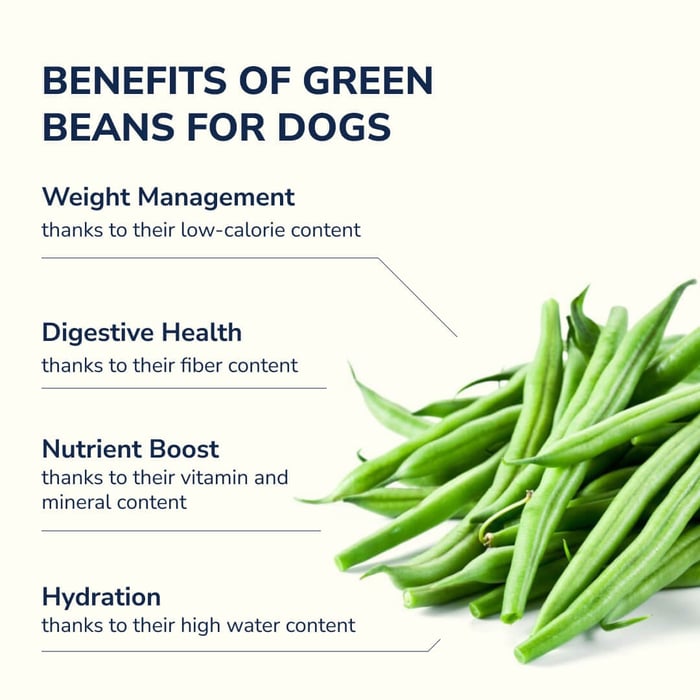
• Green beans
Why vegetables matter
Vegetables support a balanced pet diet by adding nutrients that protein alone cannot provide.
Key benefits include
• Improved digestion through dietary fiber
• Natural antioxidants that support immune health
• Vitamin rich nutrients that support organ function
Pumpkin, for example, is widely recommended for digestive balance because of its gentle fiber content.
Vegetables also contribute natural flavor and texture, helping create nutritious dog meals that dogs enjoy while benefiting from added nutrients.
4. Whole Grains or Digestible Carbohydrates
While dogs are often thought of as strictly meat eaters, they can benefit from digestible carbohydrates that provide sustained energy.
Healthy carbohydrate sources include
• Brown rice
• Oats
• Quinoa
• Barley
• Sweet potato
These ingredients supply complex carbohydrates that release energy gradually rather than causing spikes in blood sugar.
Role of carbohydrates in dog nutrition
Carbohydrates support
• Energy for daily activity
• Digestive health
• Nutrient absorption
• Gut microbiome balance
The key is choosing minimally processed grains or vegetables rather than refined fillers.
When included properly, these ingredients help create a balanced pet diet that supports both energy and digestive health.
5. Natural Fruits and Antioxidants
Fruits may seem unusual in dog food, but many are powerful sources of antioxidants and vitamins.
Common beneficial fruits include
• Blueberries
• Apples
• Cranberries
• Bananas
These fruits contain natural compounds that help reduce inflammation and protect cells from oxidative stress.
Why antioxidants matter for dogs
Antioxidants help
• Strengthen the immune system
• Support heart health
• Protect cells from aging damage
• Promote overall vitality
Blueberries, for example, are often included in premium dog food because they provide antioxidants while remaining low in calories.
When combined with proteins, healthy fats, and vegetables, fruits help round out the nutritional profile of healthy dog food ingredients.
How to Recognize Truly Nutritious Dog Meals
Understanding ingredients is one step. Knowing how they work together is equally important.
A well formulated dog meal should include
- A high quality animal protein as the first ingredient
- Healthy fats from natural sources
- Fiber rich vegetables
- Digestible carbohydrates
- Vitamin rich fruits or plant ingredients
When these components work together, they create nutritious dog meals that support a dog’s physical health, mental alertness, and longevity.
Red flags to watch for
When evaluating dog food, consider avoiding
• Artificial preservatives
• Excess fillers such as corn syrup solids
• Artificial colors and flavors
• Vague ingredient labels
High quality nutrition is about ingredient quality and transparency.
Why Ingredient Quality Matters for Long Term Health
Dogs depend entirely on the food their owners provide. Over time, poor nutrition can contribute to
• Digestive issues
• Weight problems
• Skin and coat disorders
• Reduced energy levels
On the other hand, a carefully planned balanced pet diet supports
• Healthy growth and development
• Strong immunity
• Improved digestion
• Healthy weight maintenance
The difference often comes down to ingredient quality rather than branding or packaging.
Wrap it Up
Your dog’s health begins in the food bowl. By learning how to identify healthy dog food ingredients, pet owners can make smarter choices that directly impact their dog’s wellbeing.
The best dog foods combine quality animal protein, beneficial fats, fiber rich vegetables, wholesome carbohydrates, and antioxidant rich fruits. Together these ingredients create nutritious dog meals that support energy, digestion, and long term health.
Taking a few extra minutes to read ingredient labels can help ensure your dog receives a truly balanced pet diet that supports a happy and active life. 🐾