
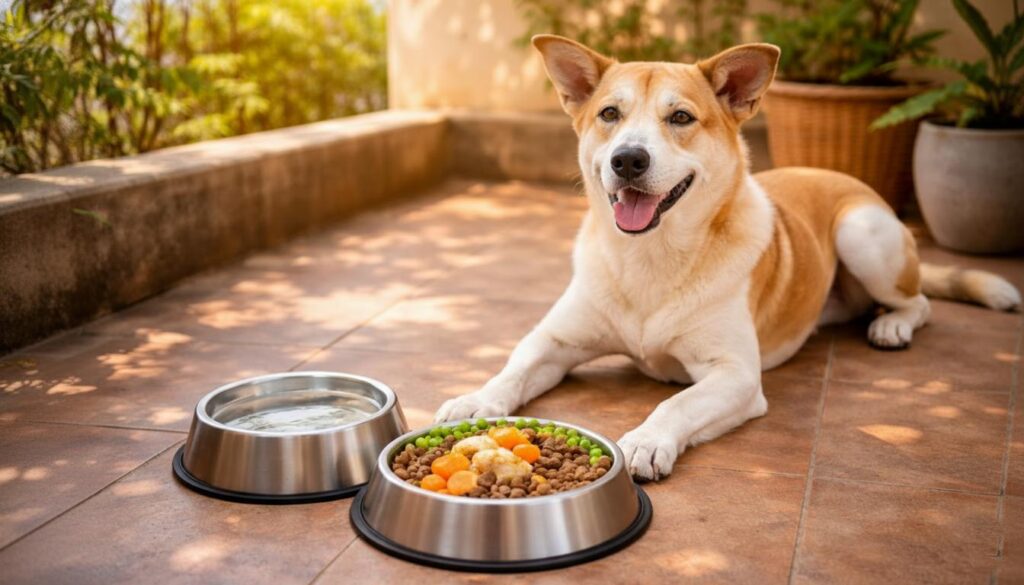
Choosing the right food for your dog is an important part of responsible pet care. In India, pet parents have several feeding options, including commercial dog food, wet food and home-cooked meals. However, not every food suitable for humans is appropriate for dogs.
Indian dogs, whether they are Indie breeds or popular breeds such as Labradors, Golden Retrievers and German Shepherds, need balanced nutrition to stay healthy and active.
If you are searching for the best dog food for Indian dogs, understanding your pet’s nutritional requirements can help you make better feeding decisions.
Let’s explore some important nutrition tips for Indian pet parents.
Why Is Proper Nutrition Important for Indian Dogs?
A balanced diet provides essential nutrients that support your dog’s growth, energy, digestion and overall health.
Proper nutrition helps:
- Maintain healthy muscles and bones.
- Support digestion and immunity.
- Maintain healthy skin and coat.
- Provide energy for everyday activities.
- Support healthy body weight.
Every dog has different nutritional requirements depending on its age, size, activity level and health.
6 Important Factors to Consider When Choosing Dog Food
1. Choose Food According to Your Dog’s Age
Dogs need different nutrients at different life stages.
- Puppies: Need balanced protein, fats, vitamins and minerals to support growth and development.
- Adult Dogs: Require balanced nutrition to maintain muscle strength and everyday energy.
- Senior Dogs: May need adjusted calories and specific nutritional support depending on their health.
Always select food formulated for your dog’s life stage.
2. Understand Your Dog’s Protein Requirements
Protein plays an important role in muscle development, tissue maintenance and normal body functions.
Suitable protein sources in dog food may include chicken, fish, eggs and other properly formulated animal or plant protein ingredients.
The right quantity depends on your dog’s age, activity level and health requirements.
3. Consider Home-Cooked Food and Commercial Dog Food
Indian pet parents often choose between commercially prepared dog food and home-cooked meals.
Commercial Dog Food: Complete and balanced commercial food is convenient and formulated to provide essential nutrients when fed according to instructions.
Home-Cooked Dog Food: Home-cooked meals can offer variety, but they must be carefully formulated to meet your dog’s nutritional requirements. Ordinary homemade meals may not provide all essential nutrients.
Consult a veterinary nutrition professional before making home-cooked food your dog’s main diet.
4. Include Suitable Ingredients in Your Dog’s Diet
Some commonly used ingredients can be included in properly balanced dog meals.
Examples include:
- Plain cooked chicken without bones.
- Fully cooked eggs.
- Plain cooked rice.
- Cooked pumpkin.
- Carrots.
- Green beans.
These ingredients should be served appropriately and should not replace a complete and balanced diet.
Avoid foods such as chocolate, grapes, raisins, onions and garlic, as they can be harmful to dogs.
5. Consider India’s Climate and Your Dog’s Hydration
Indian weather can become particularly warm during summer. Dogs need access to fresh drinking water throughout the day to maintain proper hydration.
Pet parents should:
- Provide clean drinking water regularly.
- Avoid leaving food exposed to heat for long periods.
- Store dog food according to packaging instructions.
- Offer meals in a comfortable environment.
- Monitor their dog’s appetite and hydration.
Remember that dogs need balanced nutrition throughout the year, regardless of the season.
6. Choose the Right Portion Size
Feeding too much or too little can affect your dog’s health.
Consider your dog’s age, weight, activity level and current body condition when deciding portion sizes.
Follow the feeding recommendations on commercial food packaging and consult your veterinarian if you need help determining the correct quantity.
Common Feeding Mistakes Indian Pet Parents Should Avoid
Some common feeding mistakes include:
- Giving excessive table scraps.
- Feeding spicy, oily or heavily seasoned food.
- Assuming milk is suitable for every dog.
- Ignoring nutritional requirements.
- Offering unbalanced homemade meals.
- Changing food suddenly.
- Giving too many treats.
Making informed food choices can help support your dog’s long-term health.
Final Thoughts
Finding the best dog food for Indian dogs involves understanding your pet’s individual nutritional requirements rather than following popular feeding trends.
Whether you choose commercial dog food or carefully formulated home-cooked meals, focus on balanced nutrition, appropriate portions and fresh drinking water.
With proper feeding habits and regular veterinary guidance, Indian pet parents can support their dogs’ health and everyday well-being.
Frequently Asked Questions (FAQs)
1. What is the best food for Indian dogs?
The best food is complete and balanced according to your dog’s age, size, activity level and health requirements.
2. Can Indian dogs eat homemade food?
Yes. Dogs can eat properly prepared homemade meals, provided they meet their nutritional requirements. Consult a veterinary nutrition professional for a balanced recipe.
3. Can I feed rice and chicken to my dog?
Plain cooked rice and boneless, properly cooked chicken can be suitable ingredients for dogs. However, they should not replace a complete and balanced diet.
4. How many times should I feed my dog daily?
Feeding frequency depends on age and individual needs. Puppies generally need more frequent meals than adult dogs.
5. Is vegetarian food suitable for Indian dogs?
Dogs can receive vegetarian diets, but these must be carefully formulated to provide all essential nutrients. Seek veterinary nutrition guidance.
6. Should Indian dogs eat different food during summer?
Not necessarily. Their nutritional requirements generally remain similar, but access to fresh drinking water and proper food storage become especially important during hot weather.