
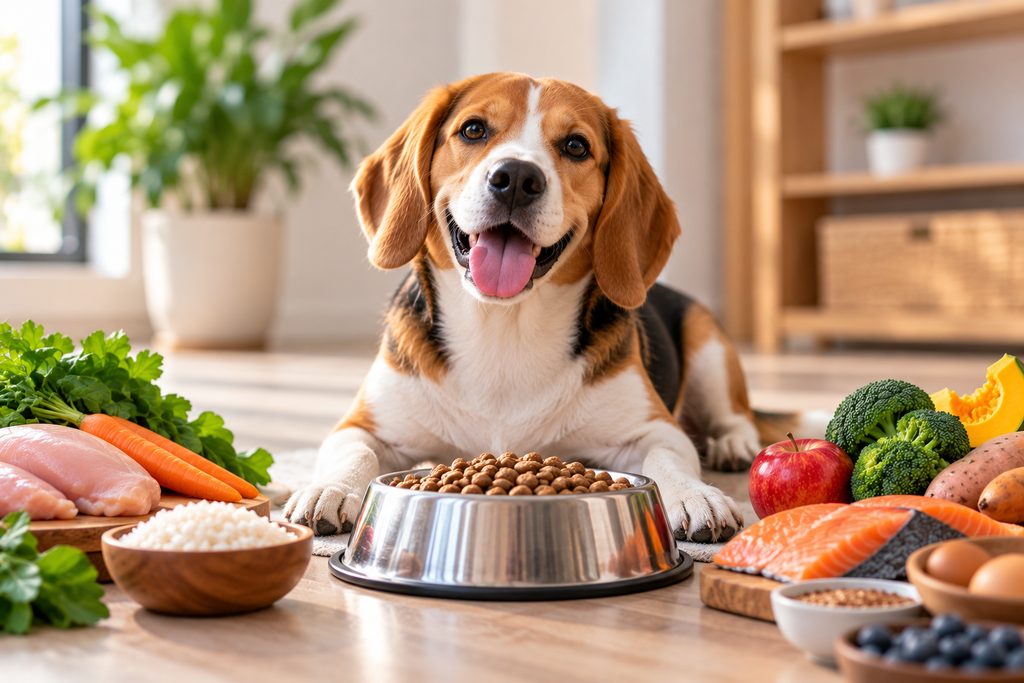
Feeding your dog might seem simple: fill the bowl, serve the food, and let your pet enjoy the meal. However, many well-intentioned pet parents unknowingly develop feeding habits that can affect their dog’s health, digestion, weight, and overall well-being.
In Indian households, sharing food is often an expression of love. A piece of roti from the dinner plate, leftover rice, biscuits, or a small portion of spicy curry may seem harmless. But dogs have different nutritional requirements from humans, and not every food that is safe for us is suitable for them.
Understanding common dog feeding mistakes can help you make better decisions about your pet’s daily diet. Here are the habits to avoid and the practical steps you can take to support your dog’s health.
1. Sharing Human Food Without Checking Its Safety
One of the most common dog nutrition mistakes is assuming that food suitable for humans is automatically safe for dogs.
Indian meals often contain ingredients such as onions, garlic, chillies, excess salt, oil, and spices. Some of these ingredients can be harmful to dogs, while rich or spicy meals may upset their digestive system.
For example, giving your dog leftover dal tadka, spicy sabzi, fried snacks, or curry may expose them to ingredients that are unsuitable for their diet.
What should you do instead?
- Avoid feeding dogs spicy, oily, salty, or heavily seasoned food.
- Never give foods containing onion or garlic.
- Keep chocolate, grapes, raisins, and products containing xylitol away from dogs.
- Offer only dog-safe treats in appropriate quantities.
If your dog accidentally eats a potentially toxic ingredient, contact a veterinarian promptly rather than waiting for symptoms.
2. Assuming Roti and Rice Are a Complete Diet
Roti and rice are common household foods in India, and many dogs enjoy eating them. However, feeding only roti, rice, or a combination of basic household foods does not automatically provide complete and balanced nutrition.
Dogs require an appropriate balance of protein, fats, carbohydrates, vitamins, minerals, and other essential nutrients. A diet that consistently lacks these nutrients can lead to nutritional deficiencies over time.
Rice may be included in some dogs’ diets when appropriate, but it should not replace a nutritionally complete meal. Similarly, roti should not become the main source of nutrition simply because your dog enjoys it.
What should you do instead?
Choose a complete and balanced dog food suitable for your pet’s age, size, and life stage. If you prefer home-cooked meals, consult a veterinary nutrition professional to create a properly balanced recipe.
3. Feeding the Wrong Portion Size
Another frequent mistake when feeding dogs in India is estimating portions without considering the dog’s individual needs.
A large dog may require more food than a small breed, but size alone does not determine portion requirements. Age, activity level, body condition, health, and whether the dog has been neutered can also affect daily calorie needs.
Overfeeding can contribute to excess weight, which may increase the risk of joint problems and other health concerns. Underfeeding, on the other hand, can leave your dog without sufficient energy and nutrients.
What should you do instead?
- Follow the feeding guidelines on your dog’s food packaging as a starting point.
- Adjust portions with veterinary guidance according to your dog’s needs.
- Measure food rather than estimating it by eye.
- Monitor body condition and weight regularly.
- Account for treats when calculating daily food intake.
Remember that feeding recommendations are starting points, not fixed rules for every dog.
4. Giving Too Many Treats and Biscuits
Treats are useful for training and rewarding good behaviour. Problems arise when they become a substantial part of your dog’s daily diet.
In many homes, dogs receive biscuits, pieces of bread, packaged snacks, or table scraps from multiple family members throughout the day. These extra calories can add up even when each serving appears small.
Human biscuits are not necessarily suitable dog treats, particularly when they contain chocolate, excessive sugar, or artificial sweeteners such as xylitol.
What should you do instead?
Use treats designed for dogs and offer them in moderation. As a general guideline, treats should account for no more than 10% of a dog’s daily calories, with the remaining calories coming from complete and balanced food.
Let family members know which treats are permitted so your dog does not receive several unplanned servings.
5. Changing Food Suddenly
Switching dog food brands or ingredients overnight can sometimes cause digestive upset, including loose stools, vomiting, or reduced appetite.
Pet parents may change their dog’s food because of availability, a new recommendation, or the belief that a different product will automatically be healthier. However, an abrupt change may be difficult for some dogs to tolerate.
What should you do instead?
When changing foods, transition gradually over approximately 5–7 days, unless your veterinarian recommends a different schedule.
You can progressively increase the proportion of the new food while reducing the old food. Monitor your dog’s appetite, stool consistency, and general behaviour during the transition.
If digestive symptoms persist or become severe, seek veterinary advice.
6. Ignoring Your Dog’s Age and Life Stage
Puppies, adult dogs, and senior dogs do not necessarily have the same nutritional requirements.
Puppies need nutrition that supports growth and development. Adult dogs generally need food suited to maintaining their body condition and activity level, while some senior dogs may benefit from dietary adjustments based on their health and mobility.
Feeding every dog the same food in the same quantity, regardless of age or condition, is a common feeding mistake.
What should you do instead?
Select food formulated for your dog’s life stage. Puppies, especially large-breed puppies, may need specific nutritional formulations to support appropriate growth.
For senior dogs or pets with medical conditions, ask your veterinarian whether a specialised diet is appropriate.
7. Not Providing Fresh Drinking Water
Food often receives more attention than hydration, but access to clean drinking water is equally important.
Dogs can become dehydrated during hot Indian summers, after exercise, or when they are unwell. Water requirements vary depending on diet, activity, weather, and health.
What should you do instead?
- Keep fresh, clean water available throughout the day.
- Wash your dog’s water bowl regularly.
- Carry water when travelling or going for walks.
- Check that outdoor water bowls remain clean and accessible.
A sudden increase or decrease in drinking can sometimes indicate an underlying health issue and should be discussed with a veterinarian.
8. Feeding Without Considering Your Dog’s Individual Needs
Not every dog thrives on the same diet. Breed, activity level, allergies, digestive sensitivity, body condition, and existing medical conditions can influence dietary requirements.
For example, an active working dog may need a different calorie intake from a less active companion dog. A dog with a diagnosed medical condition may also require specific dietary management.
Following another pet parent’s feeding routine simply because it works for their dog may not be appropriate for yours.
What should you do instead?
Choose food based on your dog’s individual needs rather than social media trends or unverified advice. If you notice persistent itching, digestive problems, unexplained weight changes, or reduced appetite, consult a veterinarian instead of repeatedly experimenting with different foods.
9. Following Unverified Homemade Dog Food Recipes
Homemade dog food can appeal to pet parents who want greater control over ingredients. However, a meal made with fresh ingredients is not automatically nutritionally complete.
Recipes shared on social media may omit essential nutrients or recommend unsuitable ingredient proportions. Feeding an unbalanced homemade diet over an extended period can create nutritional problems, even when the dog appears to enjoy the food.
What should you do instead?
If you prefer home-cooked meals, work with a veterinary nutrition professional to develop a recipe that meets your dog’s nutritional requirements. Follow the prescribed ingredients, quantities, and supplementation instructions carefully.
Avoid assuming that meat, vegetables, rice, and occasional supplements will automatically create a balanced diet.
10. Ignoring Changes in Appetite or Digestion
Changes in eating habits are easy to dismiss. A dog refusing food may be labelled fussy, while recurring loose stools may be blamed on a particular ingredient without proper assessment.
However, changes in appetite, vomiting, diarrhoea, unusual thirst, or unexplained weight loss can indicate health problems.
What should you do instead?
Monitor your dog’s eating habits and bowel movements. Avoid repeatedly changing food without identifying the cause of a problem.
Contact your veterinarian if symptoms persist, recur, or are accompanied by lethargy or other concerning signs. Seek prompt veterinary care for repeated vomiting, bloody stools, suspected poisoning, or other severe symptoms.
Frequently Asked Questions
1. What are the most common dog feeding mistakes?
Common mistakes include overfeeding, sharing unsafe human food, relying on roti and rice as a complete diet, offering excessive treats, changing food suddenly, and ignoring individual nutritional requirements.
2. Can dogs eat roti and rice every day?
Roti and rice may be suitable in some circumstances, depending on the individual dog and how the food is prepared. However, they should not replace a complete and balanced diet. Dogs need appropriate amounts of protein, fats, vitamins, minerals, and other essential nutrients.
3. Is homemade food better than packaged dog food?
Neither option is automatically better. A complete and balanced commercial dog food can provide appropriate nutrition when selected correctly. Homemade food can also work when formulated to meet the dog’s nutritional requirements by a qualified professional.
4. How many times a day should I feed my dog?
Feeding frequency depends on age, health, activity, and individual requirements. Puppies generally need more frequent meals than adult dogs. Many healthy adult dogs do well with two meals daily, but your veterinarian can recommend an appropriate schedule for your pet.
5. How can I tell if I am overfeeding my dog?
Possible signs include gradual weight gain, difficulty feeling the ribs under a layer of fat, and a less visible waistline. Regular weight checks and body-condition assessments can help identify problems before they become more serious.
6. Which Indian foods should dogs avoid?
Avoid foods containing onion, garlic, chocolate, grapes, raisins, or xylitol. Spicy, oily, and excessively salty foods should also be avoided. Cooked bones can splinter, so they should not be given to dogs.
Final Thoughts
Good nutrition is not about feeding your dog more food, following every trending diet, or sharing whatever is on your plate. It is about understanding your pet’s nutritional needs and making consistent, informed choices.
By avoiding these dog feeding mistakes, measuring portions carefully, choosing balanced meals, providing fresh water, and seeking veterinary guidance when necessary, you can help support your dog’s long-term health.
Every dog is different, so the right feeding routine should reflect your pet’s age, activity level, body condition, and health needs. When in doubt, a veterinarian can help you build a feeding plan that works for your dog.